Jonathan: 00:00
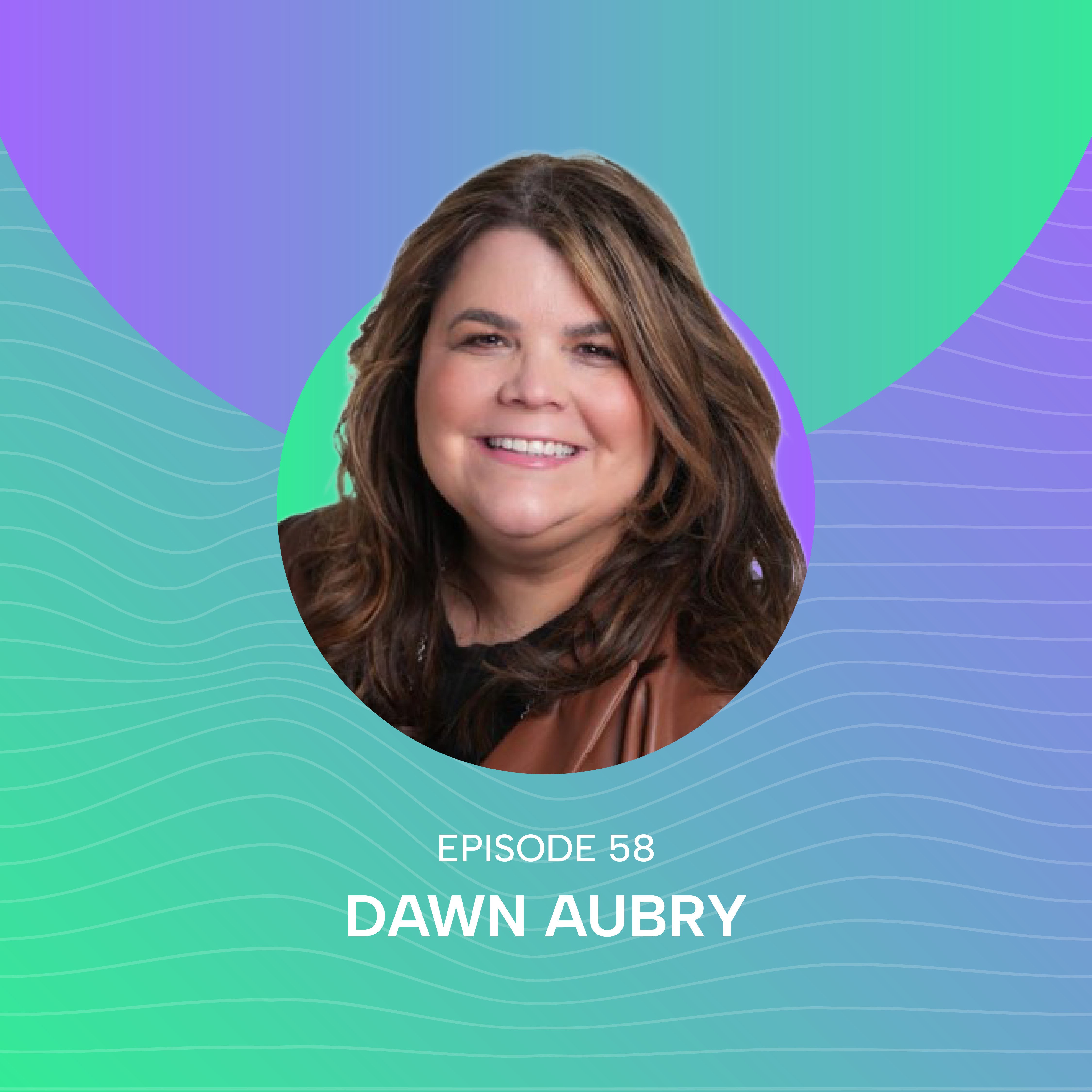
Well, hello and welcome to today's episode 58 of our Filling Seats podcast. I'm Jonathan Clues, CEO and founder here at StudentBridge. It's uh chilly out there. I'm in a short sleeved shirt and I just hid my Amazon boxes so you can't see my Christmas and holiday shopping, but we're right in the season and lovely to uh get to have you here today. Thanks for tuning in. Very excited for today. It's the last podcast of the year where we're talking about how uh strategic enrollment management and partnerships are transforming the first generation student experience. And very excited to welcome our special guest today, Dawn Aubrey, who is VP of Enrollment Management at Oakland University in, I imagine, even colder, Rochester, Michigan. Um, welcome, Dawn.
Dawn: 00:42
Thank you so much, Jonathan. I'm looking forward to talking with you today. And yes, it's pretty pretty chilly here, but as a Michigander, I'm ready. I'm prepared. I have my snow boots.
Jonathan: 00:54
Well, get your snow boots on. Good one. Um, Dawn, for our listeners and our viewers tuning in today, give us a quick, like uh 30-second bio. We'd love to get a little background of who you are, and that will set the scene of why you're a great guest to have on the show.
Dawn: 01:07
Absolutely. Well, I am the Vice President of enrollment management at Oakland University and a passionate uh first generation student myself who um has really dedicated her career to opening more pathways to students. And I've had the pleasure of working at a few different universities in Ohio, Kent State University, and um uh the University of Cincinnati before returning to my undergraduate alma mater, Oakland University. And I just work with an incredible team of people who have really transformed the student experience and in particular been really focusing on students that sometimes we've marginalized in higher education, like first generation students or even transfer students, um, adult learners. So these are some of the populations I've really tried to dedicate my um career to improving their experience. And um, I hope to have many more years left in uh my career to continue to work on improving the ecosystem. And I'm looking forward to having other partners across the world to do the same because I think we have a lot of work to do in higher ed to make sure every student feels like they matter and that they can actually accomplish their goal and earn that degree.
Jonathan: 02:23
You're being very humble. I know you're a big mover and shaker. You lead all things, uh all things enrollment really at Oakland University, um, admissions, financial aid, orientation, analytics. Um, of course, very passionate about the first gen student success. I heard that you're also the architect behind OU's uh strategic enrollment management plan 2.0, which aligns uh retention and affordability with um completion and growth. So being busy, busy, busy. Um, and look, under your leadership, I believe OU became a first-gen forward institution and Michigan's MyLeap Go Big Grant and achieved four consecutive years of first-gen enrollment growth, which is obviously rare in any state, but rare in Michigan um today, in 2025. So, congratulations, that hard work clearly is paying off. And under your guidance, um Oakland's doing doing a great job. So, in this episode, we're gonna explore how enrollment management and first generation students' success are two sides of the same coin. Like you said, sometimes they can be seen as separate, but look, when students belong, um, they persist and they complete, and especially those who are first in their family, uh, because they're not looking at their family to give them the guidance of well, what is this normal or not normal? They don't know. Um, and when that happens, the institution grows stronger too. So uh Dawn, let's start. Like, you're proud of first generation, um, you're you're proud of first generation Oakland University graduate yourself. Do you do you remember what it was like being a first, you know, like a first gen student? Did you feel lonely? Was it alone? Was it did you have great tools to help compared to today? What was it like?
Dawn: 03:52
Yes, I I actually think a lot about my experience, and I wish there was a team that existed at Oakland, um, like we have now. I think that would have definitely made my transition more um smooth. But um, as you as you've um acknowledged, you know, my parents didn't go to college, but they definitely had a belief that myself and my sisters needed to go. So having that support helped. And I also had a role model, my cousin who was an OU grad. And so I really looked up to her. So I listened to her advice and she had good connections at the university. So that helped. Um, but even, you know, with that encouragement and some of that support from my family, it it still wasn't easy. You know, there's the hidden curriculum, you know, I didn't always understand that language of higher education and really how to navigate navigate those systems with confidence. It took me, you know, really that first and into the second semester to feel more confident. And really what changed everything for me is when I made those connections with faculty and staff who showed that they were invested in me. I was fortunate. I had political science professors who really believed in me and they boosted my confidence. They helped me understand that I belonged. You know, they would meet with me during office hours. They would sometimes meet with myself and other peers in the class outside of the classroom at like the local eatery on campus. Um, they also encouraged me to get involved. And so I was able to really immerse myself in leadership opportunities like student Congress, the residence hall council. I actually even became an orientation group leader. So those student affairs professionals combined with the faculty, you know, took me under their wing and, you know, reinforced that I could do this and showed me, you know, that I had skills and they helped me develop those skills. So I felt such a sense of belonging. I think that first year, but then even into my sophomore year, I really felt confident about what I was doing in the classroom, but then even more confident about what I was going to pursue in terms of my career. So, you know, those moments really shaped me. And I think that helps me lead some of the first generation efforts today. And, you know, students don't just need the access, you know, they really need that commitment, the, you know, the clarity and the confidence in people who believe in them. So, you know, to me, that's the foundation of all of my work.
Jonathan: 06:25
I think we'll be digging down into that a little bit more. Um, you said something interesting in your little uh kind of like intro there, but you had great support from your parents, even though you're first gen. I love to back my comments up with data when I can. This one's anecdotal, folks. I'm I'm going anecdotal, but it's my belief. I mean, just from things I've heard, I don't have the hard data and research papers. But um, when you're from an underserved community, under you know, financially underserved in a more rural community, you may not get that support. In fact, your parents might think you're crazy for going to college and university. Hey son, hey daughter, I didn't have to go. What do you need to go for? So what do you think would be the split of students, first-gen students that are supported by parents versus not? I mean, do you any data on that? And if you don't, it's not a problem.
Dawn: 07:10
But well, that honestly, that is one of the areas we want to take a deeper dive into. And part of it is obviously the students that um we typically are able to interact with are the ones that are there. And so sometimes you hear from those students they don't have that support. Um, and what we're trying to really do is try to reach out to those family members, even while they're in high school, to help them learn what they could do and navigate the ropes. Um, where Oakland is located, um, in the heart of the Metro Detroit area, we have several, you know, really two of our three counties there. We really need to move the needle in our college completion bowl. So there are challenges there where folks, especially those that grew up in the auto industry, they were making very good wages without college degrees. And now some of those folks are realizing it's changed and they do want something better for their children. But we still have to work at that and we have to really explain, you know, the ROI and how this will move the needle, you know, in terms of social mobility and in terms of um having better health and wellness, more opportunities. Um, so I do not have Oakland University data like in terms of percentage, but um, that is something in our work now. We are trying to do more with research and surveying parents and students. Um I agree with you.
Jonathan: 08:40
Yeah, no, I think when you get that data, please share it back with us and maybe come back on the show and share it because I uh I think that's an important, it's really important to know your audience. And look, nationally, about a third of students are first gen. Um at many public universities, that number actually climbs closer to half.
Dawn: 08:55
So um 34% of our incoming students are first gen of the freshman class, and about 37% of the transfer students are first gen. So I have you know those percentages, but how many would say their parents were all in versus thing.
Jonathan: 09:13
Yeah, what support they're getting at home. Um look, many of those who have support work 20 plus hour weeks to help support their families. So, you know, they're they're again they're first gen, they're what they're helping. So these students bring enormous promise, um, but often face greater financial pressure, um, have limited networks to call upon, just basically have a tougher path to persistence. So, with all that, that must guide some of the way, shape some of the way you lead. I mean, we're products of our experiences and product of our environments, so your own experience, but even if you haven't had the experience, you're you're watching this. So that must really help you kind of plan how you want to move forward.
Dawn: 09:48
It definitely does. And I I think in the Metro Detroit area, we have a pretty good network of other higher education professionals, um, uh business community, philanthropy, um, something called Detroit Drives degrees. So we really talk about the ecosystem and what we need to do together to create better environments so these students first know that there is support for them, that they can do this, and then for us to help remove those barriers as they pursue their degrees. So I'm very fortunate that we have that group. We also in Oakland County have a group called Oakland 80, where our whole goal is to move the needle to move our college completion rate to 80%. So that way I think we'll be the second highest in the state after Washtenaw, um, the home of uh the University of Michigan. But um, you know, overall we're trying to get um to 60% in the state of Michigan. And we know if we can change the trajectory with these first generation students, we'll be able to accomplish those goals.
Jonathan: 10:55
Got it. No, excellent. Look, um, it's kind of interesting. So I know that you're scaling this. I mean, you know, small things, you pilot, you test it, you have a belief, it works, you start scaling it. Um, you're moving from like maybe small boutique programs to a full institutional model. What inspired that?
Dawn: 11:14
Yeah, so you know, really, I think throughout the collaboration with some of these community-based organizations, I was able to deepen a relationship with two colleagues, um, Doug Ross and Melissa Haman from the Diploma Equity Project. And they approached myself and our president, Dr. Ora Hirsch Puskovitz, and talked to us about, you know, could we build a partnership that truly would improve outcomes for first-gen students, especially students from Detroit? And from that point, um, we decided we would do a pilot, um, a cohort primarily of Detroit students that were residential, and majority of them were first gen. And we um thought, okay, we're going to need some philanthropic support. So we approached the Balmer Foundation and the Rocket Foundation, and they were amazing in saying, yes, let's do this. So we built a coaching-centered relationship-based model that we called Dream. And once we really saw the impact that we were having, uh, and we could see that the students that we were actually intervening with being very intentional, we like recruited them, we told them and their parents what we were going to do differently. We had a dedicated admissions advisor, a dedicated financial advisor, and a dedicated dream coach to support them through that first year. And we also gave them laptops that helped. Uh we um then, you know, looked at those students. We measured how they performed against other Detroit students in terms of college credits completed, in terms of GPA, in terms of staying in the residence halls, and of course, returning to university. And we saw some really great success. They actually outperformed our um uh freshman Detroit cohort and they outperformed our first gen cohort. And, you know, this was a group um of about 48 students. Um, so then we were uh were really excited when MyLeap, the state of Michigan's 60 by 30 initiative, decided to create student success grants and they had a grant called Go Big, and we worked with Diploma Equity Project, and actually our um friends at Matt Community Colleges were doing something similar for adult learners. We partnered together to both write grants, even though separate uh target audiences. Um, we were successful in uh securing about a little less than $500,000 for each institution. And so from that point, we've really been shifting siloed, you know, approaches, really getting our community involved and talk about the fact that, you know, we don't want to be doing 87 different first gen things. Instead, if we come together and do this collectively, and if we sit down and look at data and make decisions about how we offer orientation, you know, how we talk about the Oakland experience. And when we um did that these last couple of years, we've really seen um consistency. The first gen student, you know, should experience clarity, belonging, and support no matter what office they work into. Um, the second area I would say is integration, enrollment management, which you know is admissions, financial aid orientation, pre-college programs, um uh really student success coaching, tutoring, um, academic advising, I think I said housing, student activities, and faculty in terms of you know what they're doing inside and outside of the classroom. We need help.
Jonathan: 15:07
So you gotta solidify. One of the things I like to do on this show and and to help our uh viewership and listeners is but maybe you kind of tell us a little bit about some advice on everything you've learned. I mean, like, you know, we're gonna go, we're gonna come back to some advice later as well. But as we kind of wrap this first half of the show up, I'd love to kind of hear like from the story so far, if you had like top top two to three tips of the story so far, what what would be some ingredients for success?
Dawn: 15:34
I I think number one is to really bring together people on a regular basis and use data, um, obviously, and then use the student stories and having a coach like we had, having her come to the meeting and giving, you know, the data, but then also giving personal stories from those students about what they're experiencing in our offices and having people kind of walk through and think like, oh wow, yeah, that that's happening, and we need to we need to do something to stop that from happening. Um, that has been, I think, really critical, having a first gen scaling group. Um, and then what we also do that I would say is we've looked at our systems, you know, early alert. We knew we needed to make some changes, and now we're collaborating together to make sure not only does early alert work for first gen, but it really needs to work for all students, but we, you know, again, we need to look at the data to see, you know, our first gen students, you know, get getting followed up with, you know, are there more interventions we should be doing with a first gen student, for example, that has less than a 3.5, you know, where there were their indicators that we had that we should have been looking at to make sure we didn't, you know, exacerbate or contribute to challenges. Um, the we've got to stop that maze of separate offices. You know, students see us as one university, really, and they don't want to be tossed around. So if you have something like a coach who can help be a problem solver and bring things together for that student, um, it really then helped lead us to systems change. So I think universities, we really need to look at redesigning our processes and realize, you know, most of these processes were not designed for these students, you know. So we we've got to change that's evolution, and that's the world, right?
Jonathan: 17:30
I think education, the higher ed um post-secondary world, industry as a whole, have moved relatively slowly with most adopt adopting change. And and I think that's something I'd always want to encourage our colleagues in the industry is like grab, don't be blockbuster video. I've said it before, don't be blockbuster where yes, yes, don't adopt change and all of a sudden, and now Netflix, who did adopt change, is now buying Warner Brothers. Who would have thought that, right? So you you are you've got to leave. Well, look, that brings us to a great halfway point. We're gonna take a quick break, and uh we'll be back after this short um period here. Thanks, and thank you, Dawn. See you in a second. Okay, welcome back. And as a reminder, here today with Dawn Aubrey from Oakland University. Welcome back, Dawn.
Dawn: 18:19
Thank you. Looking forward to continuing the conversation.
Jonathan: 18:22
Yeah, great. Look, I'd like to switch the conversation a little bit into um back to a data-backed model. Uh, persistence and outcomes at most universities, first gen graduates are 11 to 15 percentage points lower than their peers and more likely to stop out during the first two years. Um what oh uh what have how have you seen that data? I mean, do they have a a retention? Do they not retain as well as a non-first gen, a second, third gen student?
Dawn: 18:53
Yes, we definitely have experienced um very similar uh numbers at Oakland University. And um it is you know very disheartening when you see students um you know make that decision to come and then you see them struggle, and they are more likely to stop out, and then of course more likely um not to graduate. So um for us, that was obviously the impetus of um our first gen scaling. And as I said, when we're very intentional, when we've dedicated resources and we look at the data, um, we're now seeing that gap close. And in particular, we also have been drilling down, not just looking at first gen, but looking at first gen, like for example, from Detroit, we're looking at first gen students that are underrepresented minority. We're looking at first gen students um by income, you know, Pell eligible. And we're now finding that we are able to close some of those gaps. The other thing is by having those dedicated uh Staff members that are looking to work with those students' families and prompting them a little bit differently, we're sometimes able to head off some of those challenges and work with them to identify other resources, especially financial resources. So, what we've been now working on is looking at all that data, Jonathan, and working with our finance administration folks, so that way we can show there will be a return on investment to dedicate more faculty training, for example, um on first gen, and then actually having dedicated staff to work with these students and embedding that into some of the departments I talked about, like our tutoring, for example, our academic advising. So, you know, we have to do better. Um we know that we've seen a difference when we've taken the time to change some of these systems, but now it's about scaling, right? It it's easier to do this when you have 50 students. For us, I need to do this um for about a thousand students of a class of 23, 30 uh freshmen. And next on the agenda after that is I also want to look at transfer students and you know, looking at the data of who's been able to be pretty successful.
Jonathan: 21:24
I'm gonna stop you. I want to talk about data. You you said something about early warning. Early warnings. Um give our viewers and listeners a little bit of an idea, but I'm sure they're doing something similar. But what what what data are you using for early warnings? Um right.
Dawn: 21:39
Well, I'll I'll tell you, um we have a system that I will tell you is a work in progress, and we have a homegrown system. So we do not have all faculty and students um engaging, I would say, in an early warning system. Instead, we had certain populations. So, for example, my the dream students, we were having faculty um send those students updates, our student athletes, for example, and then we have some other scholars and other programs. So we really want to move to a system where everybody will be getting those early warnings. And again, we will have um interventions set up um to work with those students that we know really need some extra help. It's always good to obviously give students feedback when they're doing well, like a 3.9 or a 4.0, but those tend to not be the students that are gonna have then the financial challenges, you know, that need maybe some of the mental health and wellness support. We want to really take this homegrown system and um either expand on that system, or we will be um working with a third-party partner um to integrate a new system. And we really want to have some real time so it's not just around midterm grades, right? It's anytime someone needs to report something that a student needs help. And we will also then be able to send, you know, messages to those students directly about who can help them. Um, you as you know, many universities have this in place, it's really important. And at Oakland, I think you know, that's an area we identified it. It needs to be a higher priority. And um, again, working in our new system, um, that was identified early, and the state has given us some money to actually um create something new. And um, you know, now we're figuring out what that something is and how we will sustain that. And um how you have to have buy-in too, Jonathan. You know, faculty and staff want to know hey, you have a system, but like how are you really going to use it? And you know, can we show them other institutions that have used this successfully and how that was able to close gaps for students?
Jonathan: 24:01
Yes, absolutely. Now we've talked about the dream program, but you also have something else. You have something called the Golden Grizzlies Graduate Program. And uh it's been a huge standout success story. Over 600 students re-engaged, uh, 400 401 of them graduated, so about 67% completion rate um for students who had previously stopped out. I mean, these students had gone and come back. What did you learn about this re-engagement and completion through that work?
Dawn: 24:28
Yeah, you know, it's so important to really understand why you know students have challenges at your institution. And when you make assumptions, you know, without data, and um, that's you know, it's it's not a good thing. I think a lot of people just assume they're not academically prepared, so they just stop out. And you know, we found contrary to that, we we've interviewed students, obviously looked at the research, but life does get in the way of these students and finances for everyone.
Jonathan: 25:06
Life gets in the way for everyone, isn't it? For the parents, for the simple life just gets in the way all the time.
Dawn: 25:12
Yes, exactly. So, you know, the financial pressures are part of it, but many of our students, like at Oakland, and it's important every school needs to look at this. Um, they are deeply loan averse. Like I said, we're we're in a um, you know, a lot of families here, I like 44% are first gen. So they like to work and pay um cash when they can. They really don't like to take out a loan, so they're more apt to stop out and pause rather than have you know acquire debt. So um we had a large number of cash payers, like I said, without financial cushion. So, you know, one bill could make the difference, sometimes as little as $500. Um, and it could just derail them. And then, you know, what happens when you stop out? It's really hard to just come back. Um, so we we saw that it wasn't that they were owing us money, it was really that second group that had some of those challenges that we needed to help. And then we also saw the third group, which I think we really needed to support, was our current juniors and seniors, but looking at data again at those who had stopped out before them, who'd exhausted their federal aid, their state aid, and institutional aid. They were the most at risk of stopping out, despite being close to graduation. I mean, we even had some that just needed a couple classes. So Golden Grizzly Graduate was really designed then to support all those three groups, um, those with debt with clear balances that we need to help you know remove a financial barrier, those without debt, but we needed to really help focus on um simplifying also the reenrollment process. And then the current at-risk juniors and seniors who needed wraparound support to stay enrolled, and we were able to have some philanthropic philanthropy gosh point today.
Jonathan: 27:05
I can never say that word myself. So don't you worry.
Dawn: 27:07
Philanthropic support say that word and also taking our own university resources to create microgrants to help support these students. And again, when you can help remove some of that financial barrier and you actually have staff reaching out to these students when they're here, you know, they they they may make a different decision from stopping out. It takes longer when you reach out to someone who's been out for a year, two years, 10 years. And I will, I'm sad to say, Oakland, like many universities, through our research, we noticed that once they left, after being gone for a year, the university really didn't reach out to them. We worked actually with Diploma Equity and we actually surveyed students from multiple universities in Michigan, and most students told us the school never followed up. And for us with Golden Grizzlies Graduate, we follow up with them and continue to follow up with them. Um, we are definitely seeing um a higher return rate with those students. And then when you can have these completion awards, it has really helped them. And then educating faculty and staff and reminding them, you know, what have we done differently since this person has stopped out? You know, have we had differences in our policies? Can we help run um, you know, their degree audit to see what has changed and could they get done more quickly? Or is it better for them perhaps to pursue a bachelor of interdisciplinary studies? So, really again, using data and um designating folks to look at that and to um have very intentional um comp plans. We have something called Golden Grizzly Graduate Virtual Sessions. A lot of these are working learners, so they don't always want to come back onto campus. You know, you have to do it on the night.
Jonathan: 29:05
So you're making it very accessible for them. You've got in-person. I'm not look obviously StudentBridge is uh is the leader in digital student engagement and communication, and we believe that while you can never beat the in-person, it doesn't scale very well. It's it's not convenient, so it's the best, but how do you make it more convenient? How do you make it more accessible? And uh, and so look, I want to talk, I'm gonna thank you, Dawn. I want to switch the topic as we start into the final lap here. Um, I want to switch it back to just top of the final enrollment, trust. OU Oakland is one of the few Michigan publics growing, while many have seen enrollments of flat on decline. How much that growth is tied to building trust and belonging with the first going back to the first gen students, how much of that growth? You already said that it's a large percentage of your incoming freshmen are going to be first gen. So talk to me a little about that. You've seen growth from all over the place.
Dawn: 29:59
Um, we we have seen growth um with first gen, and I've actually seen growth with honors college students uh it as well. And of course, some of those honors college students are first gen students, but to your point, trust in having solid relationships and doing what you say you're gonna do is so important to families, um, to counselors. And, you know, I think when you create a culture where people see consistency when they see you showing up in their community, when you see them engaging um with their students, um, and then those students turn into alumni, and some of those alumni are even going back to their high school or community colleges saying you should, you know, you should go to Oakland. Uh, you know, that definitely has given us credibility. You know, again, part of this is being very uh intentional about how we talk to students, how we streamline processes, how we remove those barriers, not just at the time of enrollment, but once they're at the university. Um, so when you improve that experience, I you know, I think that can be the difference. Uh and again, when you can talk about social mobility, Oakland has done very well. We're one of the top institutions where we can actually show that students that graduate in our degrees are going to make more than the average salary. And really, yes. And you know, in really in being very transparent, the difference between an engineering degree, you know, and a music theater dance degree, um, it's very important they understand that. But then if we've given them the skills while they're trying to pursue that career they really, really want, they sometimes might work in another industry too, and they can still have a very good living wage. Uh, you know, first gen success, I think is an enrollment strategy, um, definitely. Um, but you know, when you support students and you help them feel understood and you um really involve the family too in the process in their community, I think we've proven that you can have um increased success.
Jonathan: 32:13
Well, StudentBridge, we definitely see that. I mean, some of our key solutions, and all of our solutions are video centric storytelling platforms, and it's about creative connection, but also personalizing it so that they can have meaningful interactions through digital media, and we understand that that builds that trust, it builds that that cohesion, the connection, because you can build relationships digitally, you can build before I mean we see so much value in building it before 67% of people researched said the digital first impressions are now more important than the in-person. And look at the way we all buy stuff, look at the way we all do things, we do all the research online. We are going to create impressions online that are hard to remove when you when you go and meet the thing physically. So, okay, let me let me um give you one challenging last question. Um we wave our StudentBridge magic wand, and uh you can now redesign how education supports first generation students nationally. What would you change and why? I mean, what's we let's talk broad, let's go. Yes, where's the culture here?
Dawn: 33:19
Well, I think right now I would, if I could redesign one thing, it would really be the complexity of higher education, especially around cost. You know, just the systems we have uh this this last year too, navigating all the changes with the Department of Ed and financial aid, uh, you know, the systems with the financial aid, the registration, billing, verification, you know, changing award amounts, they're just incredibly complicated. It's hard for faculty and staff to understand it, let alone students and their families. So, you know, students with family experience in higher ed, they struggle. And then for first gens, you know, that complexity just becomes more of an invisible barrier. Um, cost is just such a major part of that complexity. College pricing is confusing. You know, we do all these different scorecards, you know, we try to uh, you know, interpret all the acronyms we have for everything, but it's still difficult to decode. And like I said, in my case, my first gen students, they're very loan averse and they're deeply hesitant to borrow. And sometimes that's cultural too. So um, you know, having our government, um, our legislator both in the state and federally, you know, to help us redesign these systems. We just need more clear, more predictable multi-year pathways and more flexibility. Like it, you know, we're trying to boil it down. Here's what it's gonna be your first year, and then you know, later in the year, we're gonna have our board of trustees decide the new tuition rate. And it's really hard for families to really plan um, you know, semester to semester. And you know, at the end of the day, um, you know, we're we're creating a path that's too confusing and too expensive. Um, so you know, I I would, I would, my wand would say, you know, reduce the complexity, complexity, gosh, I'm having problems. Reduce the complexity and cost and we'll unleash a potential, you know, for the next generation.
Jonathan: 35:26
You know, yes. Well, look, thank you, Dawn. I mean, look, the broader impact, I think you leading the way and trailblazing, you and well, you you prove that student success, enrollment, strategy, philanthropy aren't separate, they're all interconnected. And by lying the data, partnerships, and empathy, you know, your team has built a model that others can follow. Um, thank you for your time today. Uh I know this uh busy time of year. I know that your heating's broken at the university, you're in a you're in a room to try and stay warm. Appreciate you being there. Um, as we wrap up, what gives you the most optimism about the future of first gen student success? Not just at AU, but across higher education?
Dawn: 36:05
Oh, that's a good question. Uh you know, I I think at first the data is on our side. Um, you know, as I said, uh nearly half the students, 44% of the students are first gen. So again, when when we invest intentionally and we have clear onboarding and the right advising, we'll we see measurable gains in persistence and engagement. And you know, they're not abstract outcomes, they show up in our retention, our credit momentum in the graduation trajectories. So um, second, first generation students are incredibly resilient and motivated, and they come to us with a strong sense of purpose, often tied, you know, to their family, and they want upward mobility. Uh, and so when we do remove those unnecessary barriers and make expectations transparent, you know, they rise to the occasion. Um, the talent and drive are there. Uh, and then third, I just say we need to move from programs, siloed programs, to systems. And what gives me ultimately the most optimism is that shift from well intentioned standalone programs and initiative to institution-wide strategies and even I'd say an ecosystem where we look beyond our own institution, you know, embedding those supports in the different departments so it seems more seamless, um, and having alignment so you can have scale and sustainability happen. Um, and then fourth, I think we've kind of led to this before is what gives me optimism is that there are partners that are committed and that there are champions, you know, there are um folks that not just your own faculty and advisors, you know, of course, enrollment in student affairs staff, but these external partners. And um when we have shared ownership of first generation success, you know, there it's no, it's no longer their problem to solve, you know, it's becoming part of how we define student success. It's you know how we become a better society, how we become a you know, a better region, a better state. So I think the stakes are clear and you know, so is the why.
Jonathan: 38:27
So it's a better society, that's for sure. So uh you can do to influence that, we're all behind it. But Dawn, thank you. That's all we have time for today. Um, really appreciate you joining us. Listeners, viewers, please do follow Dawn Aubrey on LinkedIn. She makes some great posts. We enjoy seeing them. Uh, for more great content, obviously go to studentbridge.com where we have all kinds of podcasts and webinars and white papers and case studies just to help you think about how you're gonna continue navigating these challenging times. 2025's almost behind us, but we're gonna have a whole new set of challenges in 2026, the famous demographic cliffs coming. Um, I'm sure that the government's funding is suddenly not gonna open up and be gushing in into our coffers, and we're gonna have to do more with less. So um, we're here to help. We'd love to speak to you. Um, have a safe and happy holidays. If you're listening to this before the holidays, if we're listening after the holidays, hope you had a great time. And uh, Dawn, look forward to seeing you in person soon. Thank you very much for joining us today.
Dawn: 39:30
Absolutely. Thank you, Jonathan, and happy holidays.
Jonathan: 39:32
Thank you. Stay warm, everyone.