

The Campus Visit Is Still the Moment of Truth
In this episode:
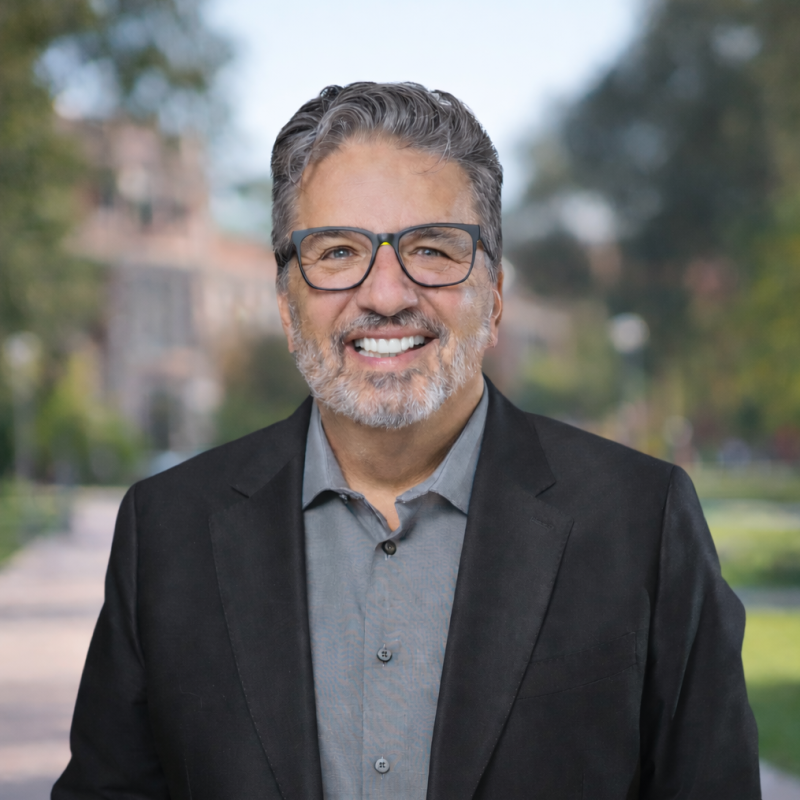
In this episode of Filling Seats, Jonathan Clues sits down with Jeff Kallay, Senior Vice President at Echo Delta, for a candid conversation about the state of the campus visit. Jeff shares lessons from nearly two decades of helping colleges and universities improve their visit experiences and explains why the visit is still a critical moment for students and families, even as more of the college search happens online.
The conversation explores why many campus tours still feel too scripted, too institutional, and too focused on buildings instead of the lived student experience. Jonathan and Jeff also discuss the emotional side of place-based education, why students want to see community, housing, food, wellness, and campus energy, and how colleges can better connect digital storytelling with what happens when a family arrives on campus.


Episode Transcript
Guests:
Jonathan Clues (Host)
Jeff Kallay
Overview: What This Conversation Covers
This transcript captures a conversation between Jonathan Clues and Jeff Kallay about:
- Why the campus visit remains one of the most important moments in enrollment
- How the role of the visit has changed as more research happens online
- Why many campus tours still feel too scripted, boring, and institution-centered
- What students and families actually want to experience when they visit
- Why place-based education has to show its emotional and experiential value
- How digital engagement can strengthen, not replace, the in-person visit
- Why colleges need to invest more intentionally in campus visit strategy
- What institutions can fix now by focusing on the basics of the visitor experience
Background: Jeff Kallay’s Perspective on the Campus Visit
Jonathan Clues:
Welcome to episode 67 of the Filling Seats podcast, StudentBridge’s original content series where we invite special guests and industry experts to talk about what is happening across higher education.
Today’s guest is Jeff Kallay, Senior Vice President at Echo Delta. I’ve known Jeff for many years, and I always think of him as “Mr. Campus Visit.”
Jeff, welcome. Give us a few words and introduce yourself.
Jeff Kallay:
Thank you for having me. It is an honor to be here.
I will take any opportunity to talk about the campus visit, which is something I have been focused on for nearly 20 years.
I have the greatest job on earth. Colleges have paid me and my teams for the last two decades to come to campus and help them stage authentic, fun, and engaging campus visits that support their enrollment goals.
I started in admissions at my alma mater in the 1980s. Later, I worked in agencies, came back to higher ed, and helped launch campus visit consulting at TargetX in 2006. That work eventually became Render Experiences, then part of RNL, and now I continue the campus visit work at Echo Delta.
Over the years, I have worked with hundreds of campus clients across all shapes and sizes of institutions.
Why the Campus Visit Became a Critical Enrollment Moment
Jonathan Clues:
The campus visit has always been important. It is the golden moment of truth. But it is striking to think that, not that long ago, it was often handed to a first-year admissions counselor.
Why did the visit become such a central part of the enrollment journey?
Jeff Kallay:
The modern campus visit ritual really developed with millennial students and their baby boomer parents.
Previous generations did not always take campus tours the way families do now. Marketing in higher education was also still evolving. Colleges were learning how to think about recruitment, persuasion, and experience more intentionally.
We had fortunate timing when we started focusing on campus visits. The visit became a key moment when students and families were taking time, spending money, and showing real interest.
But what worked 20 years ago does not necessarily work now.
How Digital Research Has Changed the Visit
Jonathan Clues:
A lot of the first impression now happens digitally. Students may look at 30 universities online, narrow that list, apply to several, and then only visit a few.
How has that changed the role of the in-person visit?
Jeff Kallay:
I think it is bigger than that.
The pandemic, social media, official college websites, unofficial content, and the amount of digital information available have all changed how students approach the search.
Some families are now saying, “Do the research online first. Let’s see if you get in. Let’s see how much aid they give you. Then we will visit.”
That means students are using digital assets earlier and more heavily.
At the same time, we are seeing some shifts back toward sophomore and junior visitors. As we move from Gen Z toward Gen Alpha, with millennial parents and baby boomer grandparents involved, the visit is changing again.
The campus visit still matters. But the funnel had a hiccup, and now we are returning to a new kind of normal.
Why Many Campus Tours Still Miss the Mark
Jonathan Clues:
So the in-person tour is still a pivotal part of the journey.
Jeff Kallay:
Absolutely.
But the problem is that the majority of campus visits are boring.
They are too institutionally centered. They rely on long scripts. Some schools send me 40-page tour scripts. That creates a scripted tour bot instead of a real experience.
Students are doing research online about academics, admission requirements, and how to get in. When they come to campus, they want the lifestyle.
They want to see housing, food, wellness, and community. Yet many colleges are still pushing every academic building into the tour.
That is part of why tours are down in some places. It is not just because travel is expensive or because time and money are limited. It is also because many tours are not compelling enough.
Why Students Are Looking for Fit and Feeling
Jonathan Clues:
That aligns with how we think about the rational decision and the emotional decision.
Students can answer many rational questions online: Can I get in? Can I afford it? Do they have my program? Is the location right?
By the time they arrive in person, they are looking for fit and feeling.
Jeff Kallay:
Exactly.
The greatest gift you can give a campus tour is a class change.
Schedule tours so visitors are outside when people are moving around and campus feels alive.
Students want to see reality. They are educated consumers. They have done their research. They know how to find information.
The problem is that many campus tour routes and scripts are designed for leadership, academics, or competitors instead of prospective students and their parents or supporters.
Everyone is staging the campus visit for everyone except the people the visit is actually for.
Why Students Need to Feel the Life of Campus
Jonathan Clues:
I often say that no student picks a university because they like the look of a building.
They want to feel the life, the story, and what it would be like to be there.
Jeff Kallay:
That is right.
Students are asking: What is it like here? How safe is it? Is this a conservative or liberal campus? What do students not like about this place? And more recently, one of the big questions is: Where are the students?
Some campuses have created great spaces, but students are still hiding in their rooms or taking food to go.
That is one reason students are drawn to what we call the “college game day” experience. They see SEC campuses and think of them as lively and vibrant.
If a student is choosing a place-based residential education, those things need to be great.
Why Place-Based Education Still Matters
Jonathan Clues:
Students have more options now. They can go online. They can pursue trades. They can choose other paths. But place-based education still offers something different.
Jeff Kallay:
Absolutely.
You can get a certificate online, but you cannot get the full residential college experience online.
You cannot meet new friends in the same way. You cannot experience campus life, student organizations, athletics, or the lessons that come from living and learning with other people.
I have long said I would love for a college to use the line: “Average students thrive here,” with the emphasis on thrive.
The transformation from first-year student to senior can be remarkable.
I also think schools should talk more about how much students learn outside the classroom. Student organizations, leadership roles, deadlines, relationships, and learning to work with people all matter.
Colleges do not champion that enough, and they often do not show it on campus tours.
Why Authenticity Is So Hard for Colleges
Jonathan Clues:
Why is it so hard for institutions to connect the online and on-campus journey and make it feel like one consistent experience?
Jeff Kallay:
There are a few reasons.
First, many institutions talk about truth in their mottos, but truth often eludes them in marketing. Everything is sunny. The grass is always green. No one wants to bring bad news.
Second, many people making decisions are not trained in marketing, persuasion, or experience design.
Third, some institutions are afraid to own what makes them great. I have clients that avoid naming their city because the city has a reputation, even though the city is in the school’s name.
But students often tell me great things about those places. Institutions need to embrace reality and tell the authentic story.
If I have one more president say, “I want to be the blank of blank,” I am going to say: Why can’t you just be who you are?
Own it. Tell an authentic story. Stage an authentic campus visit. Connect with more best-fit students and fill those seats.
Why Campus Visits Need More Emotional Resonance
Jonathan Clues:
One of our partners, Amber Fitzgerald from Suffolk University, talked about the importance of making the visit emotionally resonant, not just informational.
Jeff Kallay:
Amber gets it.
All purchasing is emotional, and the visit experience is emotional.
The problem is that many campus visits do not deliver that emotional part. They do not offer enough storytelling or dialogue. They rely on a scripted tour.
You can see it in body language. Students check out. They look at their phones. They look around. Their arms are crossed.
The tour has to win them over.
Why Digital Should Support the Human Visit Experience
Jonathan Clues:
As we move more digitally into the campus tour experience, there is a huge opportunity to personalize.
Students live through devices. If you and I were at a coffee shop, we might still talk through devices by showing each other something.
Why have colleges been resistant to adding digital experiences into the in-person visit?
Jeff Kallay:
There are probably three reasons.
First, investment. The campus visit has never gotten the money it deserves.
Second, many institutions still see the phone as a problem. Parents are told to put phones down instead of thinking about how the device could support the visit.
Third, there is the humanity of the tour guide role. Tour guides are digitally savvy, but they may resist digital integration if they feel it invades their role or takes away their stage.
But the reality is that students and families live a seamless duality between digital and in-person experiences. The campus visit does not yet reflect that.
Why Investment in the Campus Visit Matters
Jonathan Clues:
People say all the time, “If we can just get them here, they will come.”
But the data does not support that.
Jeff Kallay:
That thinking represents hubris.
The campus visit is often still structured the same way it was 20 years ago: put people in a room for a 30- or 40-minute information session, then take them on a 70-minute tour.
That is not enough.
People also think customization only means academics. But it also means student personas and interests.
What is it like to be Greek here? What is it like to be a student athlete? What is it like to be highly academic? What is the social experience?
We should be staging campus visits that fit those identities too.
What Colleges Can Fix Right Now
Jonathan Clues:
If you had one piece of advice for schools, something they could change soon without a huge budget, what would it be?
Jeff Kallay:
I have two.
First, go through your registration process.
Look at where the visit is on your website. How easy is it to find? How many clicks does it take? How fast does it work? What information is provided? Does the visit page create emotion and excitement, or does it just provide basic information?
Second, remember that the basics still matter.
I talk about the three Ps: parking, plumbing, and place.
Put yourself in the visitor’s shoes. Audit the arrival experience. Look at wayfinding, signage, restrooms, parking, and the physical tour route.
The most frequently asked question when families walk in is often, “Where are the restrooms?”
Walk your tour route with the eyes of a parent. Master the basics before moving on to bigger ideas.
Why Jeff Still Has Hope
Jonathan Clues:
We always like to end with a ray of sunshine. What gives you hope?
Jeff Kallay:
I have the greatest job on earth because I tour colleges for a living.
That gives me an enormous amount of interaction with college students, tour guides, and ambassadors.
I would not want to be a teenager or college student today. But when I talk with young people on campuses, I find them respectful, intelligent, hopeful, pragmatic, and realistic.
That gives me joy and hope.
I really believe Gen Z is going to create important things, and Gen Alpha will come along and help move us forward too.
Podcast Closing
Jonathan Clues:
That is a positive note to end on.
Jeff, thank you for being a guest. Thank you for your time and for all you have done in the world of the campus visit.
For everyone listening, you can find this episode and other resources at StudentBridge.com. You can also find Jeff Kallay on LinkedIn and learn more about his work at Echo Delta.
Jeff, thanks again.
Jeff Kallay:
Thank you for having me. I really appreciate it. And I appreciate all you and the StudentBridge team do for the campus visit.
Jonathan Clues:
Thanks, Jeff. We’ll see everyone next time on Filling Seats.